Commercial Property Maintenance in the Bay Area
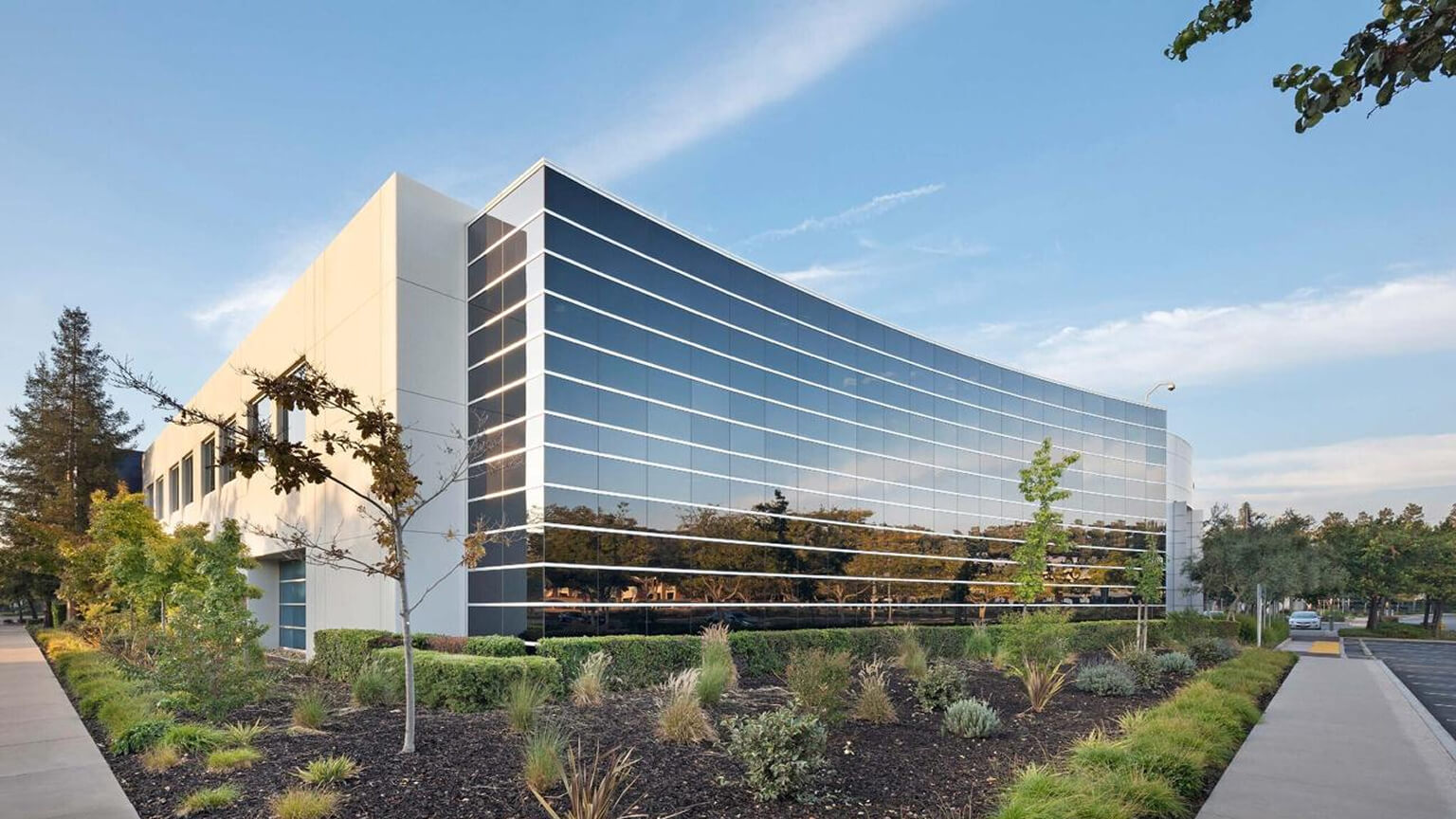
Managing a commercial property in the San Francisco Bay Area involves more than collecting rent and coordinating tenants. Property owners and facility managers must also maintain building interiors, address repair requests, protect essential building components, and keep shared spaces functional and presentable. From office buildings in San Jose to retail properties in Oakland and commercial facilities throughout the East Bay, routine maintenance plays an important role in protecting property condition and supporting daily business operations.
Why Commercial Property Maintenance Matters
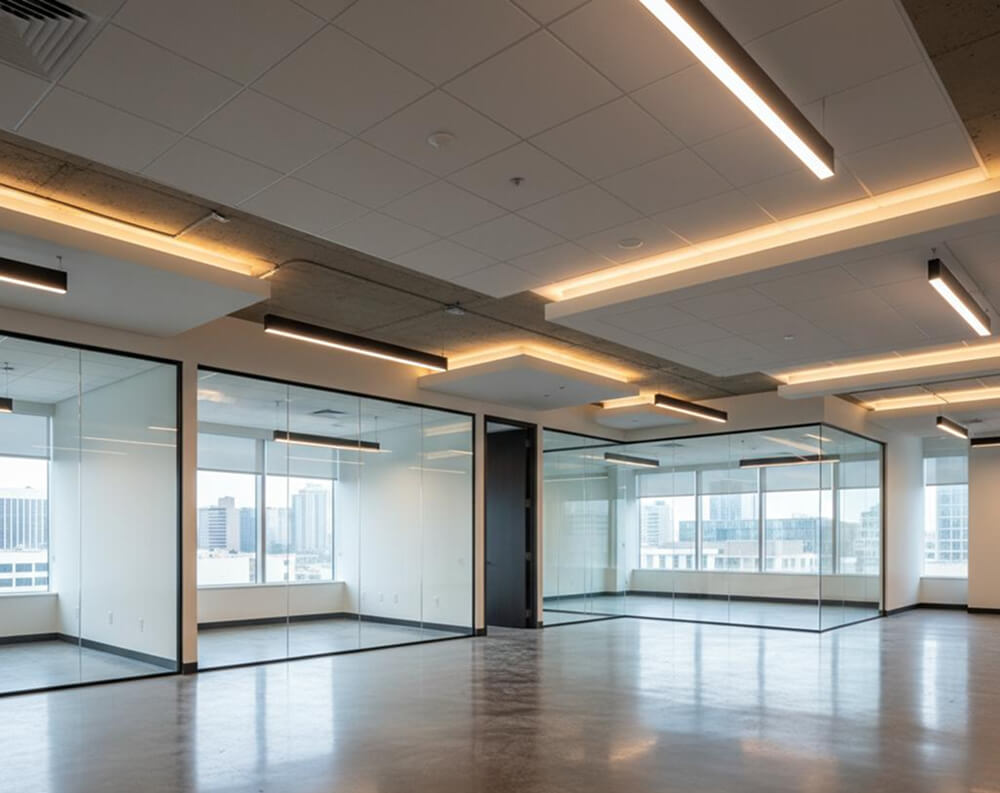
Commercial buildings experience regular wear from employees, customers, tenants, deliveries, equipment, and daily operations. A proactive maintenance strategy helps property managers address this wear before it interferes with the building's use.
1. Protect Your Property Investment
Commercial properties represent significant investments. Regular inspections and timely repairs can help identify deteriorating finishes, damaged fixtures, moisture concerns, and other issues before they require more extensive work.
Maintenance does not eliminate every unexpected expense, but it helps property owners make informed decisions about repairs and improvements.
2. Maintain a Professional Appearance
A clean, well-maintained commercial property creates a more professional environment for employees, visitors, customers, and prospective tenants.
Damaged walls, worn flooring, outdated common areas, and neglected finishes can affect how a property is perceived. Planned repairs and targeted renovation work can restore these spaces and improve their overall presentation.
3. Reduce Disruption to Business Operations
Unexpected maintenance can interrupt employees, inconvenience customers, and create scheduling challenges for tenants.
Planned maintenance and carefully coordinated repair work help managers schedule improvements around business hours and occupancy requirements whenever practical.
4. Support Tenant Satisfaction
Tenants generally expect their buildings to remain functional, accessible, and well maintained. Clear communication about maintenance requests and timely attention to building issues can support better tenant relationships.
For commercial landlords and property management companies, consistent maintenance processes also make it easier to track recurring problems across multiple units or properties.
Common Maintenance Challenges for Bay Area Commercial Properties
Commercial property maintenance requirements can differ considerably across the region. Building type, occupancy, construction age, and local conditions all influence the work needed.
Aging Buildings and Deteriorating Finishes
Older commercial buildings may require more frequent attention to interior surfaces, doors, flooring, plumbing fixtures, and other building components.
Property managers should prioritize visible deterioration, investigate recurring issues, and obtain qualified assessments when a concern may affect structural integrity or building safety.
Plumbing Leaks and Moisture Problems
Water leaks can damage ceilings, walls, flooring, and tenant spaces. Even a small leak can create a larger maintenance problem if the source remains unresolved.
When moisture appears, property managers should arrange appropriate plumbing or building-envelope inspections, address the underlying cause, and assess any resulting damage before repairing cosmetic finishes.
High-Traffic Common Areas
Lobbies, corridors, restrooms, entrances, and shared facilities often experience more wear than private offices.
Regular inspections can help identify loose or damaged flooring, deteriorating paint, damaged fixtures, and other concerns that affect appearance, usability, or safety.
Coordinating Repairs Around Tenants
Commercial maintenance projects must often accommodate tenant schedules, customer access, deliveries, and normal business activities.
Advance communication, defined work areas, realistic schedules, and appropriate site protections help reduce unnecessary disruption.
San Jose: Homeowners may prioritize modern interiors, more functional layouts, and updates that suit changing household needs.
Oakland: Remodeling older properties can involve balancing updated interiors with existing architectural details and the condition of the home.
Berkeley: Some projects may require additional attention to historic character, neighborhood requirements, or property-specific restrictions.
Fremont: Families may focus on improving room functionality, storage, bathrooms, and shared living spaces.
East Bay communities: Homeowners may benefit from coordinating multiple interior upgrades into one well-planned renovation.
The right approach starts with evaluating the existing property and defining the improvements that will provide the most practical benefit.
Commercial Property Maintenance in San Jose, Oakland, Berkeley, and the East Bay
Choosing a contractor familiar with the Bay Area market can help property owners coordinate renovation and maintenance-related improvements more effectively.
San Jose and Silicon Valley
Office properties, retail spaces, and commercial facilities may require interior upgrades, tenant improvements, common-area repairs, and planned renovation work as business needs change.
Oakland and the East Bay
Commercial property owners may need to address aging interiors, worn shared spaces, damaged finishes, and improvements that support ongoing tenant use.
Berkeley
Property improvements may involve additional attention to existing building characteristics, accessibility considerations, and local permitting requirements, depending on the property and scope of work.
Fremont and Surrounding Communities
Commercial landlords and facility managers may benefit from a coordinated approach to interior repairs, property upgrades, and preparation of spaces for new or existing tenants.
The specific work required will depend on each building's condition, applicable regulations, and operational priorities. Property owners should verify service availability in their particular city before arranging a project.
Preventive Maintenance vs. Reactive Repairs
A maintenance plan is more effective when it considers both routine inspections and urgent repair needs.
Preventive maintenance | Reactive maintenance |
|---|---|
Identifies visible issues before they worsen | Addresses problems after they occur |
Helps plan budgets and schedules | Can involve unexpected expenses |
Allows work to be coordinated around occupancy | May interrupt tenants or business operations |
Supports consistent property upkeep | Can leave recurring issues unresolved if root causes are missed |
Reactive repairs will always be necessary in some situations. However, combining routine inspections with a documented repair process can help property managers make better decisions and prioritize spending.
4 Easy Steps To
Get Accurate Quote
A reliable estimate includes design, permits, demolition, construction, inspections, and a contingency. Be careful with quotes that look much cheaper than the others. They often leave out permits or assume nothing unexpected is hiding behind the walls.
Share Your Project Details
Tell us about your remodeling goals, specific requirements, and the improvements you want to make to your space.
Upload Clear Photos
Send clear pictures of the existing space from different angles so we can better understand its condition and identify potential challenges.
Choose Your Layout
Share your preferred design, layout changes, and whether existing plumbing, fixtures, or structural elements need to be relocated.
Share Your Budget
Tell us your estimated budget, preferred materials, and must-have features so we can recommend suitable options and prepare a realistic quote for your project.
FAQ'S
Transform Your Space With Hydroworks
From expert plumbing services to complete remodeling, Hydroworks Developers delivers reliable solutions designed to improve comfort, functionality, and value.